

Cannoli are, together with tiramisù, one of the most well-known Italian desserts, and their international fame is well deserved. Originally from Sicily, these iconic pastries are now loved throughout Italy and have become popular all over the world.
Cannoli (the plural of cannolo, meaning “little tube” in Italian) are tube-shaped pastries that are fried and then filled with sweet ricotta cream and sometimes additions like chocolate chips or chopped pistachios.
They are a true crowd pleaser and great for get-togethers, dinner parties, holidays, or whenever you want a classic Italian dessert. My favorites are the chocolate chips and the pistachios, but if you like candied fruit, feel free to use it. It’s a classic choice as well.

Ingredients
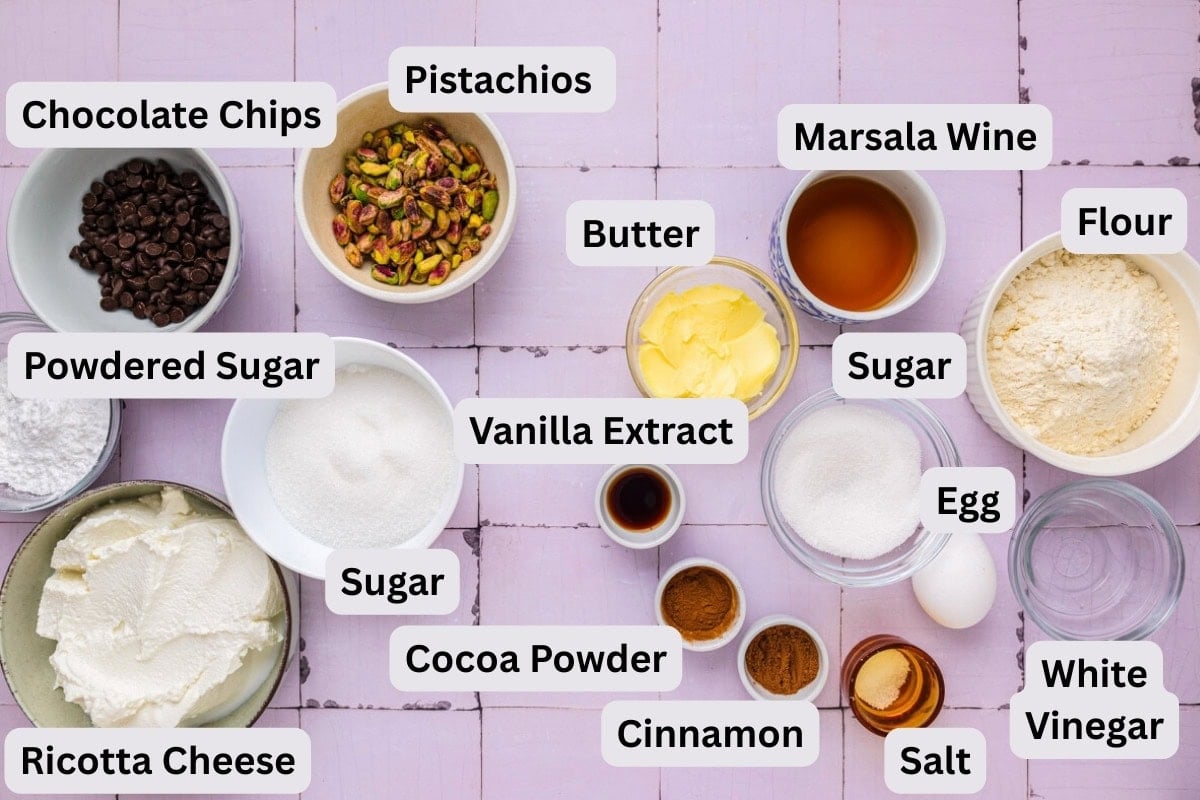
Here are all the ingredients you’ll need to make these cannoli. It seems like a lot, but it’s actually not that difficult!
- White flour – Regular all-purpose flour works well.
- Granulated sugar – Some for the shells and some for the filling.
- Butter or Lard – Traditional recipes are often made with lard, but butter works just as well. I prefer the taste of butter.
- Marsala wine – Adds flavor with some caramel and nutty notes. If you don’t have any on hand, just skip it.
- White vinegar – A small amount that doesn’t affect the flavor, but helps with the texture of the shells. I’ve used rice vinegar, but white wine vinegar also works well.
- Egg – Use a medium egg.
- Ground Cinnamon – Added for flavor, don’t skip.
- Cocoa powder – Also added for flavor.
- Salt – A small pinch of salt enhances the flavors of the dough.
- Water – Helps the dough stick together.
- Ricotta – This is the traditional filling. For a thicker, creamier texture, you can substitute part of the ricotta with mascarpone.
- Vanilla extract – Optional. If using vanilla extract, use a good-quality one. Alternatively, you can also add some orange zest.
- Chocolate chips – A classic addition to the ricotta filling. I’ve used dark chocolate chips, but you can use semi-sweet, milk, or even white chocolate chips.
- Deshelled pistachios – Another classic filling addition. If you don’t have pistachios, you can also use toasted, chopped almonds (delicious but not traditional).
- Powdered sugar – Optional; for dusting the finished cannoli.
Recipe Tips
- The ricotta should be drained very well, and the filling should sit in the fridge for at least 1 hour before piping. This helps it firm up.
- Don’t try to thicken the filling with flour or cornstarch; the filling is not cooked.
- Roll the dough thin so the shells become crispy during frying. If it’s too thick, the shells will be chewy.
- You can skip the Marsala wine and white vinegar if you don’t have them on hand, but they are both traditional ingredients. The wine adds flavor, and the vinegar helps create crispy shells.
- When wrapping the dough around the molds, wet the edges with some water (or some egg white) and press to seal. Otherwise, the shells may open when frying.
- The oil should have a temperature of about 350°F (175°C). Use a thermometer if you have one. If the oil is too hot, the shells brown too quickly, and if it is too cool, they may absorb excess oil.
- Allow the shells to cool completely before removing the cannoli molds. They can break easily, so be gentle when unmolding and filling them.
- Some people like to coat the interior of the fried shells (or just the edges) with melted chocolate. This helps keep the shells crispy longer. I like to keep mine without the chocolate, but it’s an optional step you can do if you like.
- You can either add vanilla extract or orange zest to the filling for extra flavor. Both taste great.
- Don’t fill the shells too early. Fill them just before serving to keep them crisp.
- Other than pistachios or chocolate chips, you can also garnish the ends of the cannoli with small pieces of candied fruit like candied oranges or candied cherries.
Get a Taste of Europe
Join 3000+ readers and get European recipes and family favorites to your inbox every week.
You can unsubscribe anytime. No spam. For more details, review our Privacy Policy.
How to Make Cannoli – Step by Step Instructions
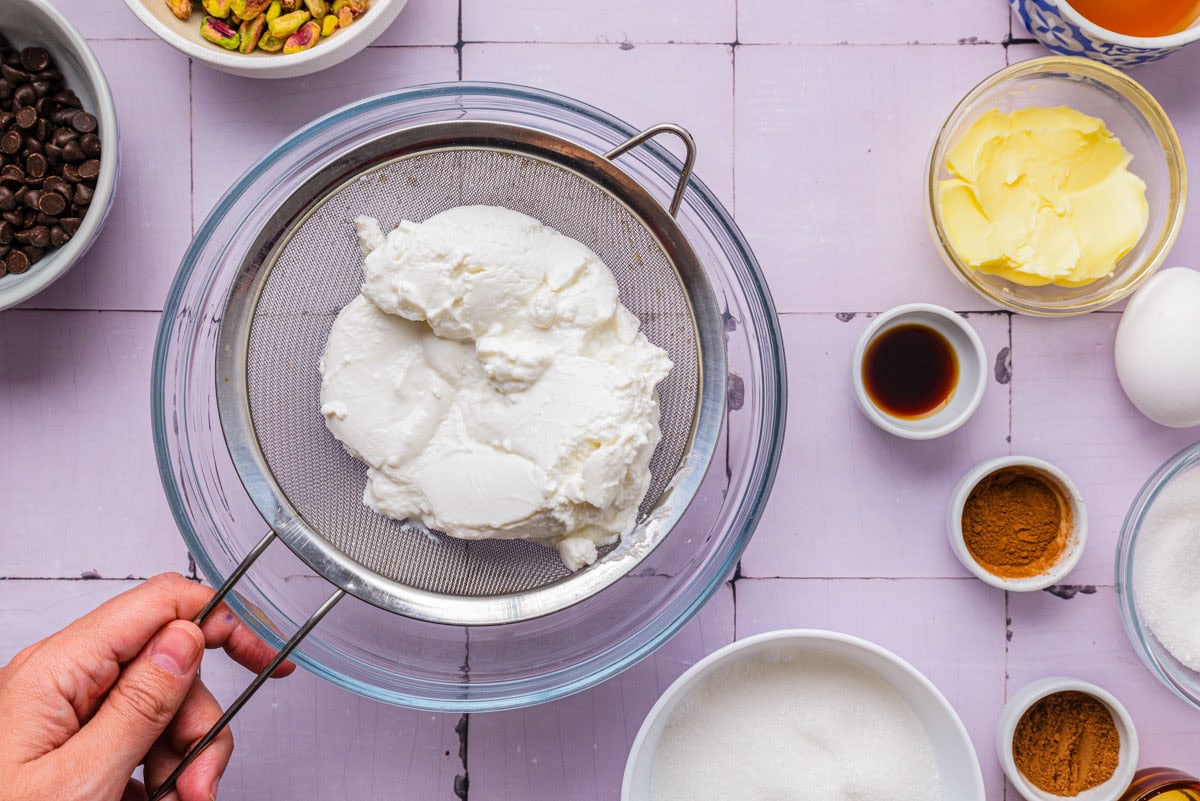
First, place the ricotta in a fine-mesh strainer set over a bowl to drain excess liquid.
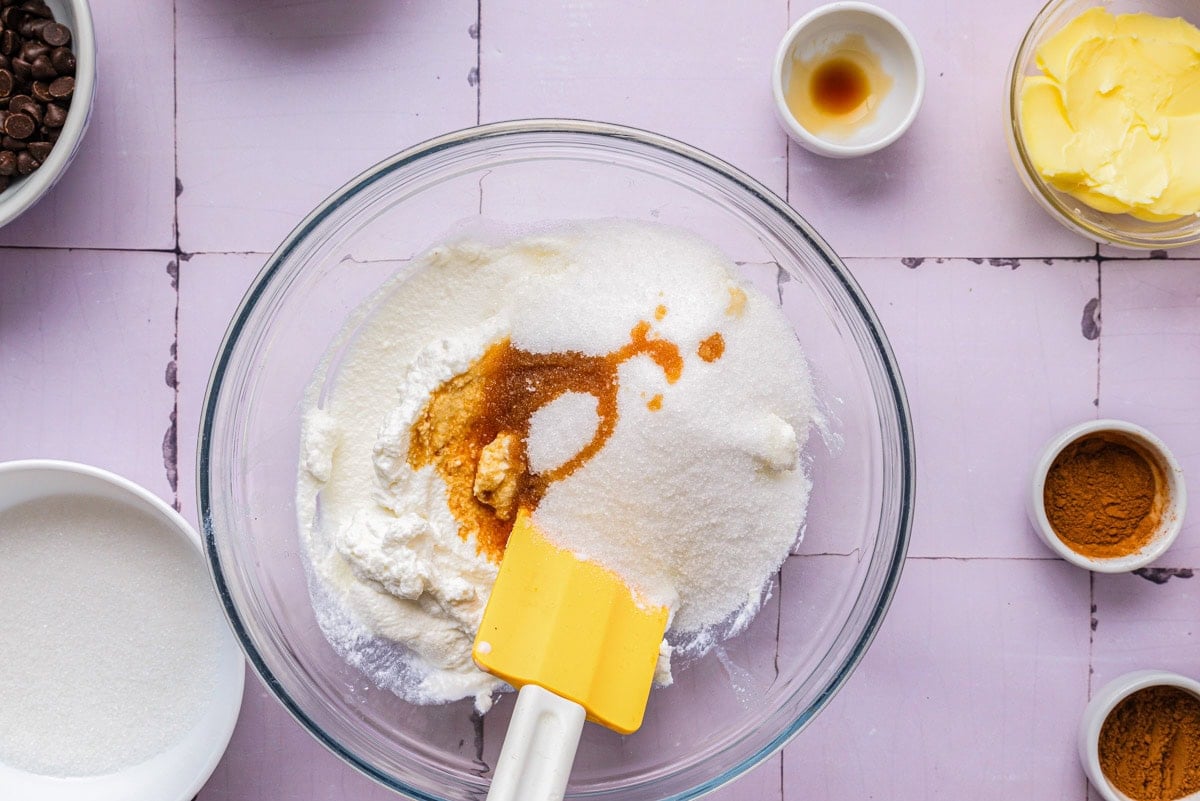
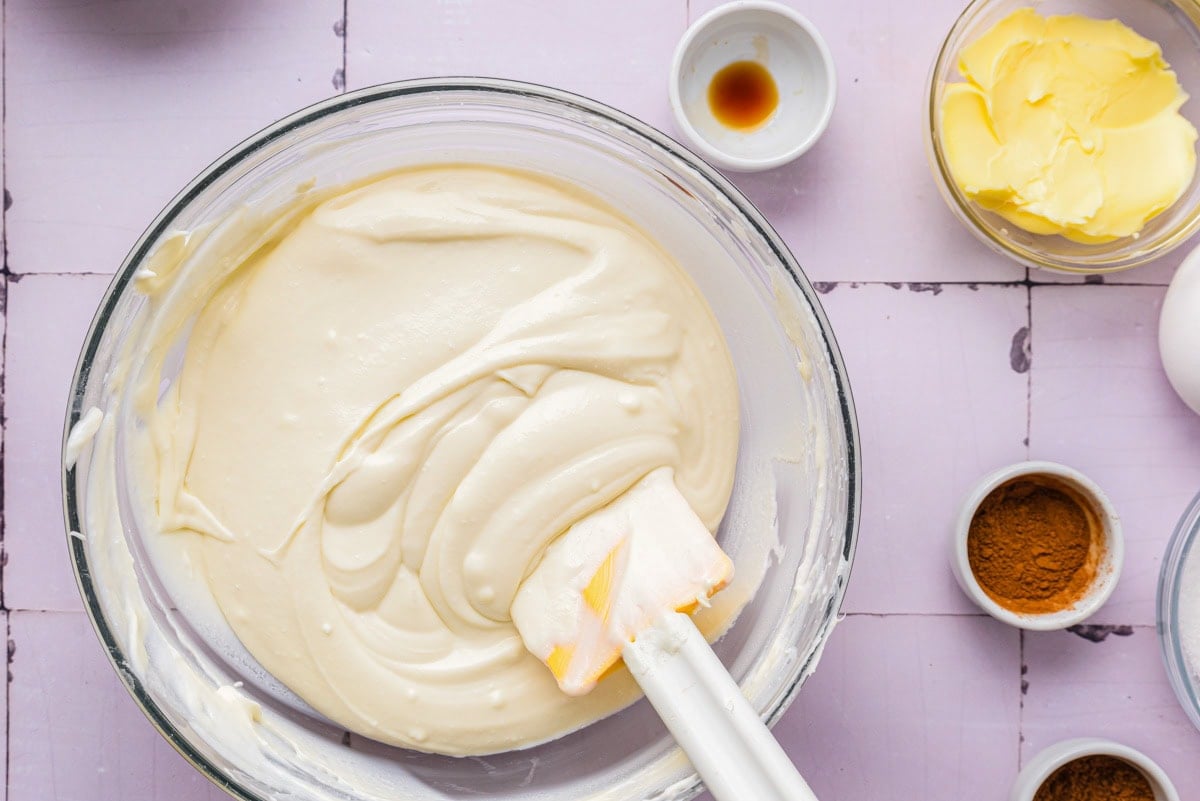
Then add it to a bowl along with the sugar and vanilla extract (if using). Whisk until smooth and creamy.
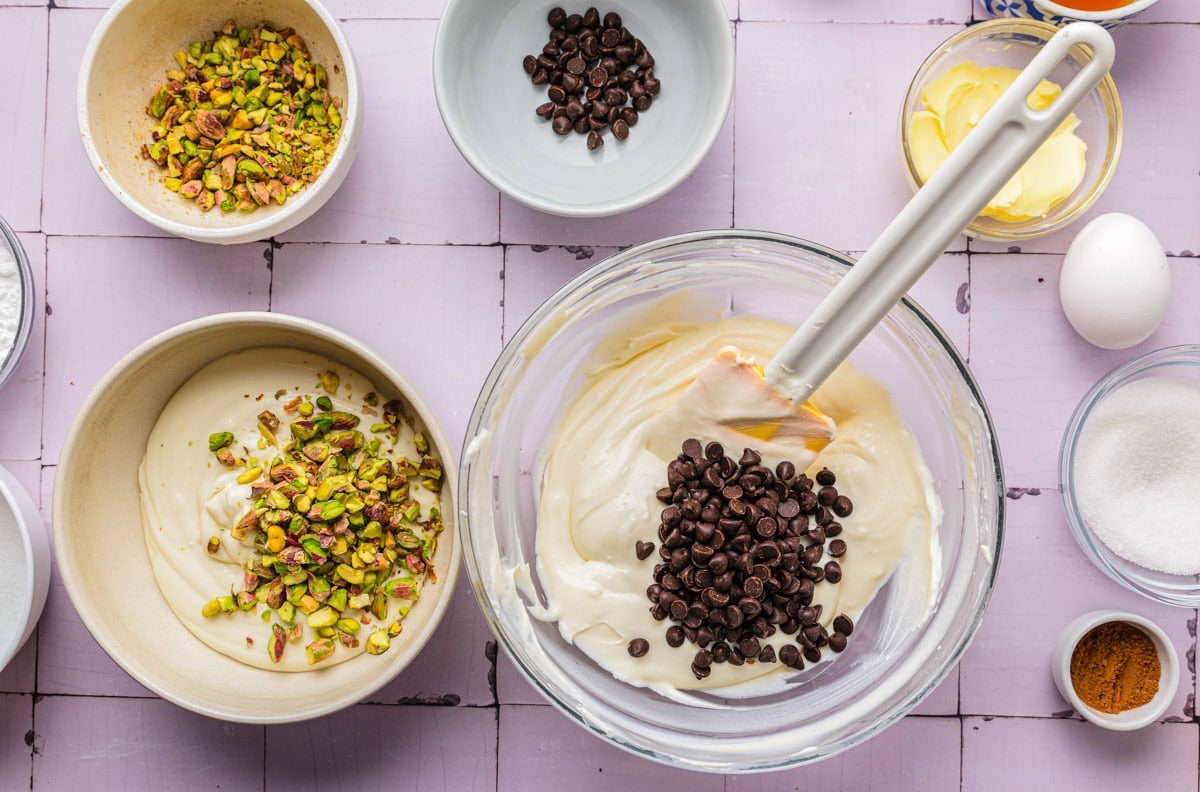
Chop the pistachios if using, then divide the filling between two bowls and add the pistachios to one and the chocolate chips to another.
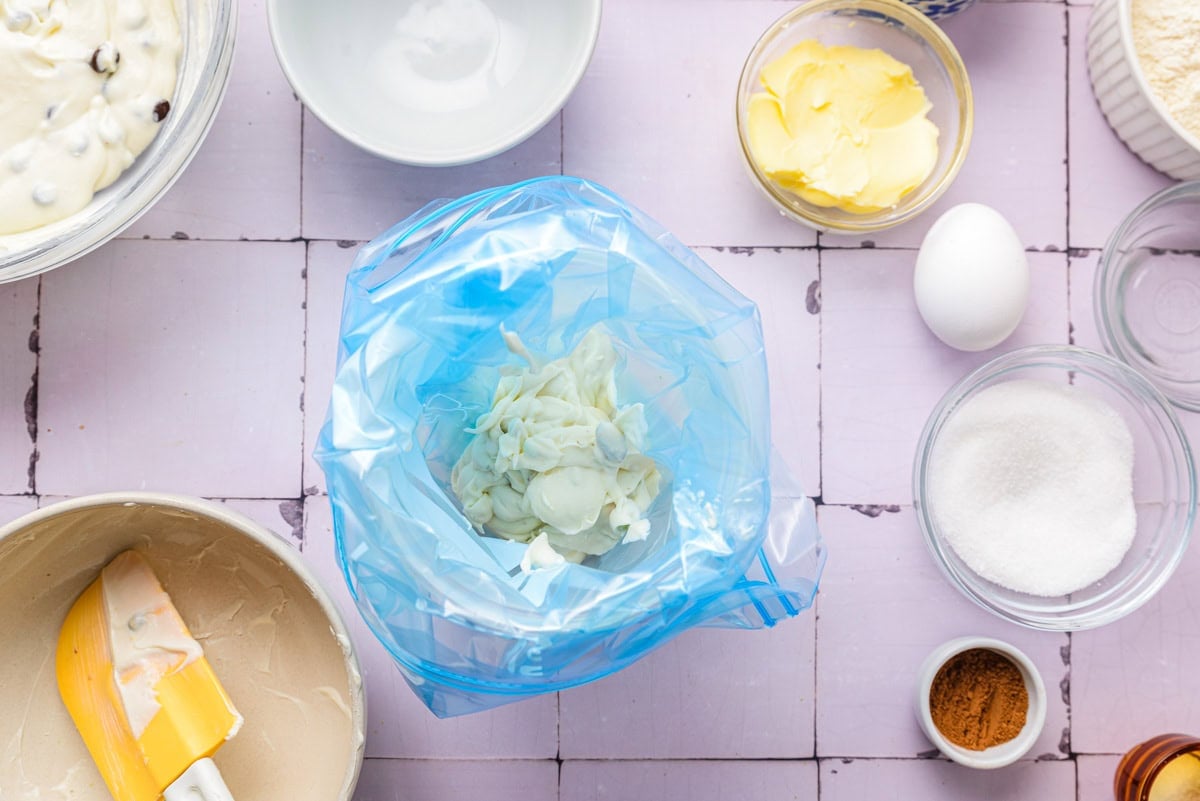
Next, transfer the filling to a piping bag or a zip-top bag. Refrigerate while you prepare the shells.
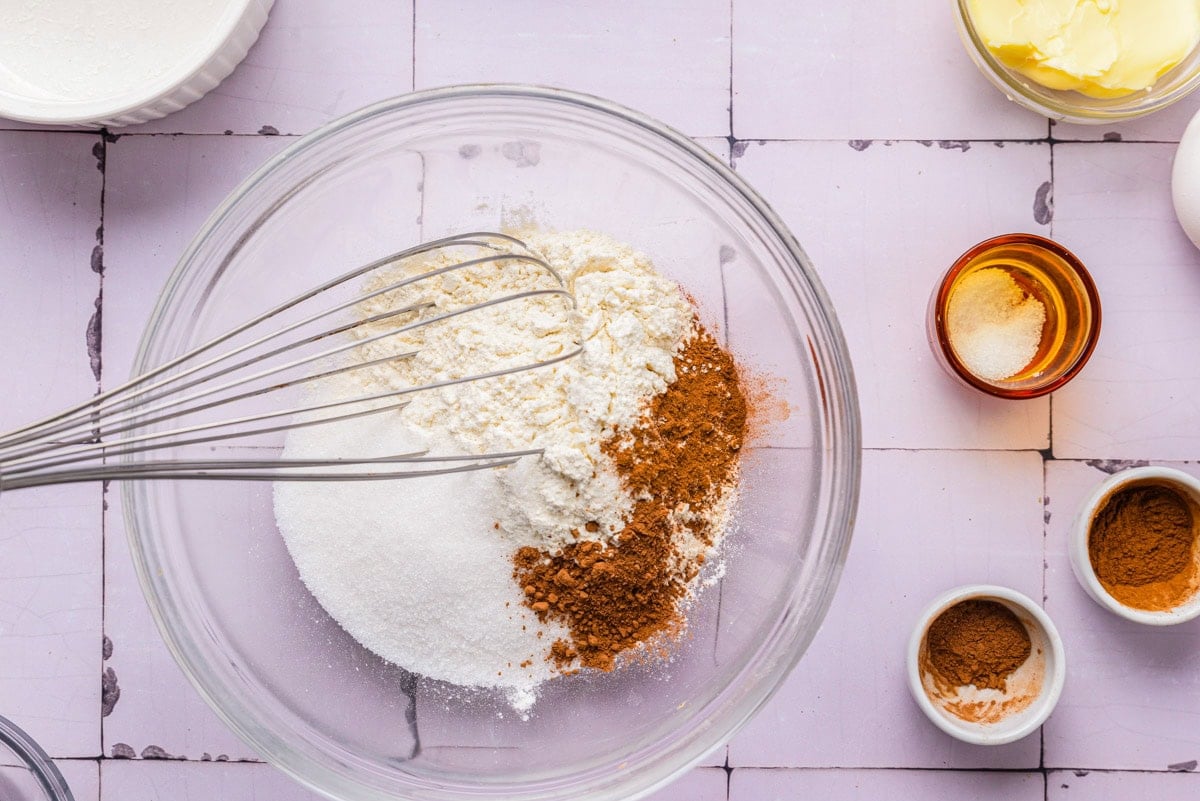
For the shells, whisk together the flour, sugar, cocoa powder, ground cinnamon, and salt in a large bowl.
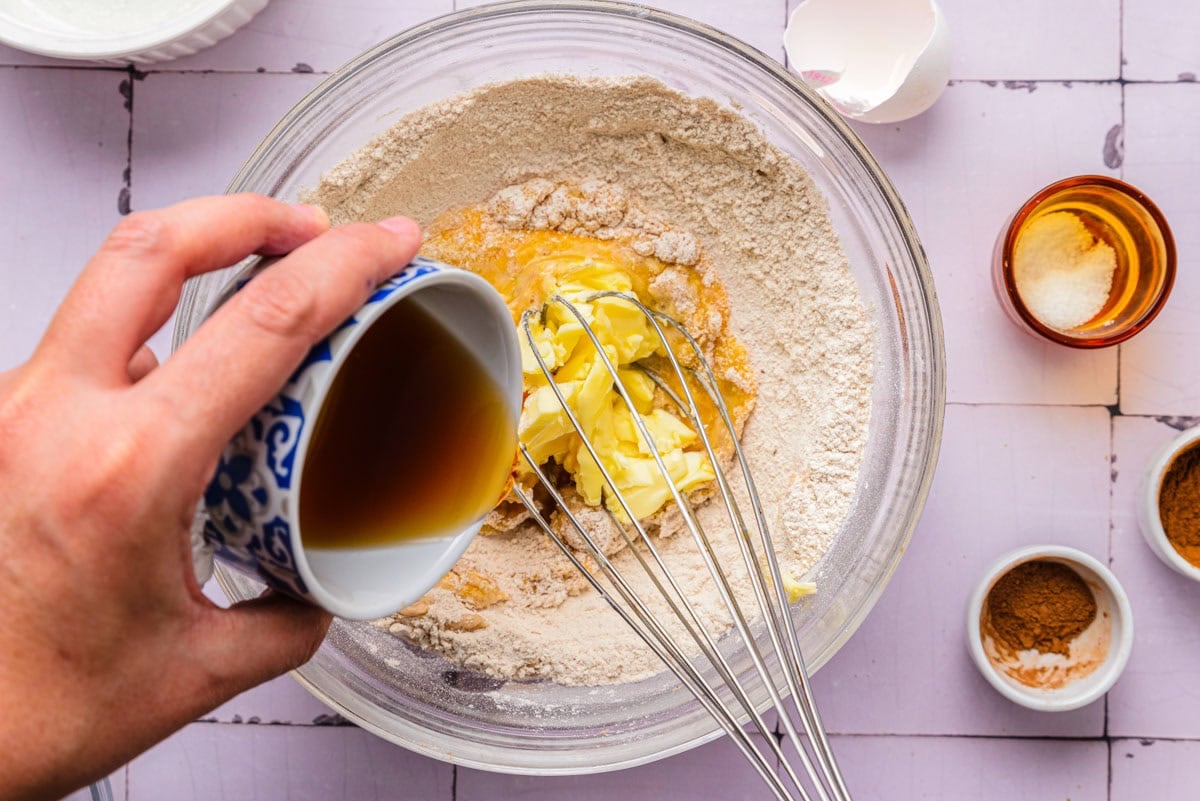
Add the egg, butter (or lard), marsala wine, and white vinegar. Mix well until a dough begins to form.
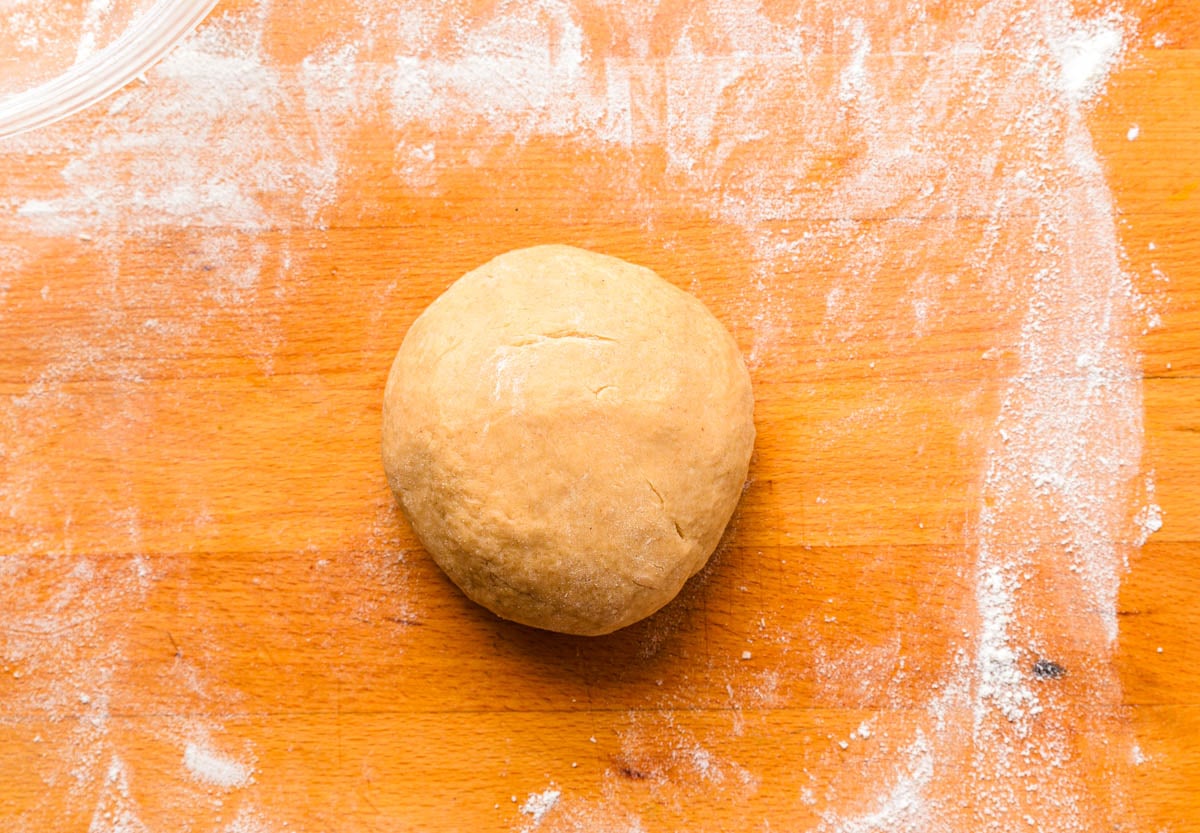
Now lightly flour your work surface and knead the dough until you have a smooth, elastic ball. Then cover it with plastic wrap and refrigerate for 30 minutes.
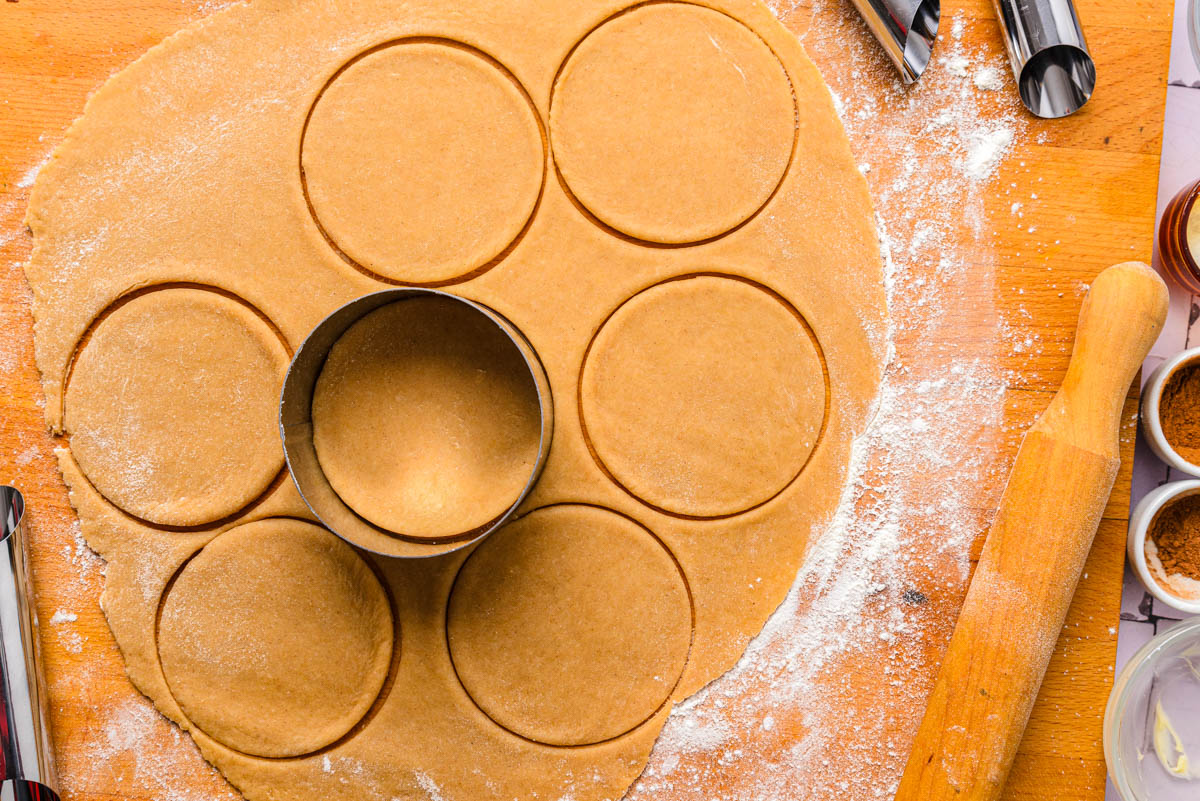
Next, roll out the dough on a lightly floured surface to about 1/8 inch (0.5 cm) thick. Then use a large round cookie cutter to cut out circles of dough.

Wrap each circle around a cannoli mold, wet the edges slightly, and press them together. Make sure the edges overlap and stick well so the shells don’t open while frying.
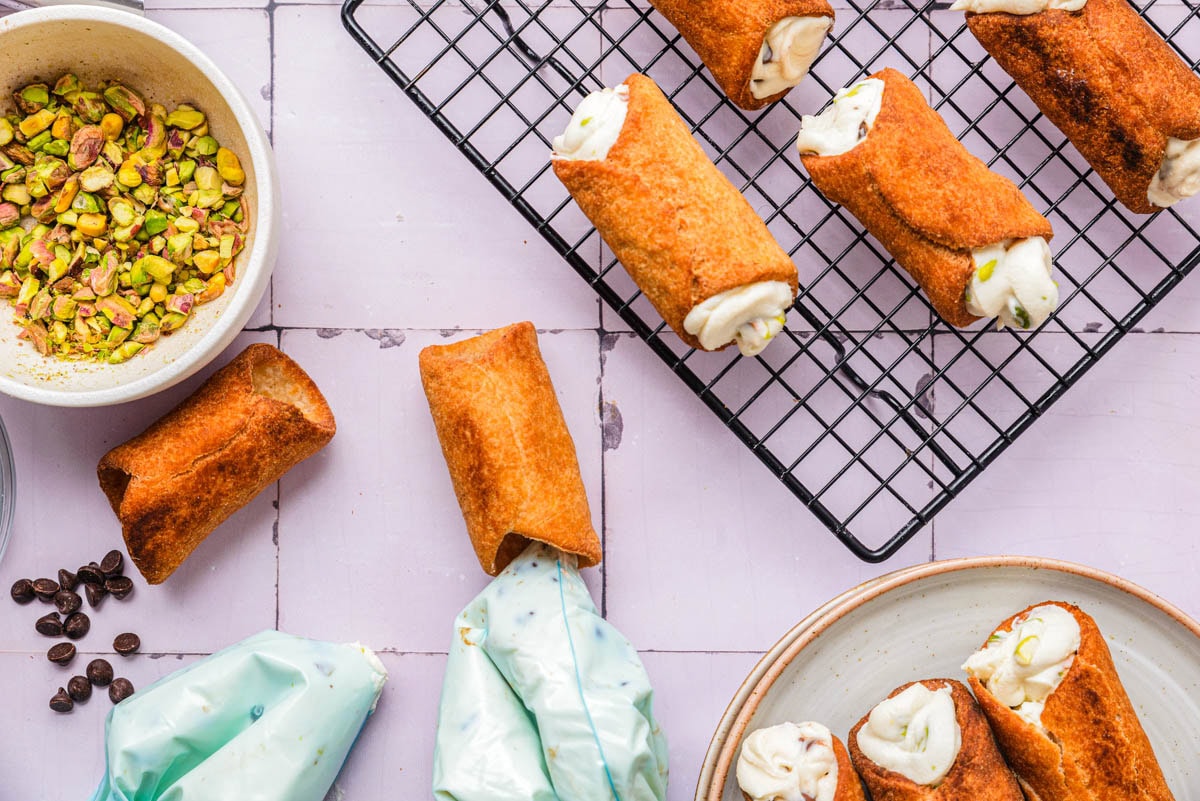
Heat oil in a deep pot or pan, fry the shells in batches for about 1-2 minutes until golden brown and crisp, and then place them on a cooking rack to cool.
Once they are cooled, remove the mold and pipe the ricotta filling into the shells.

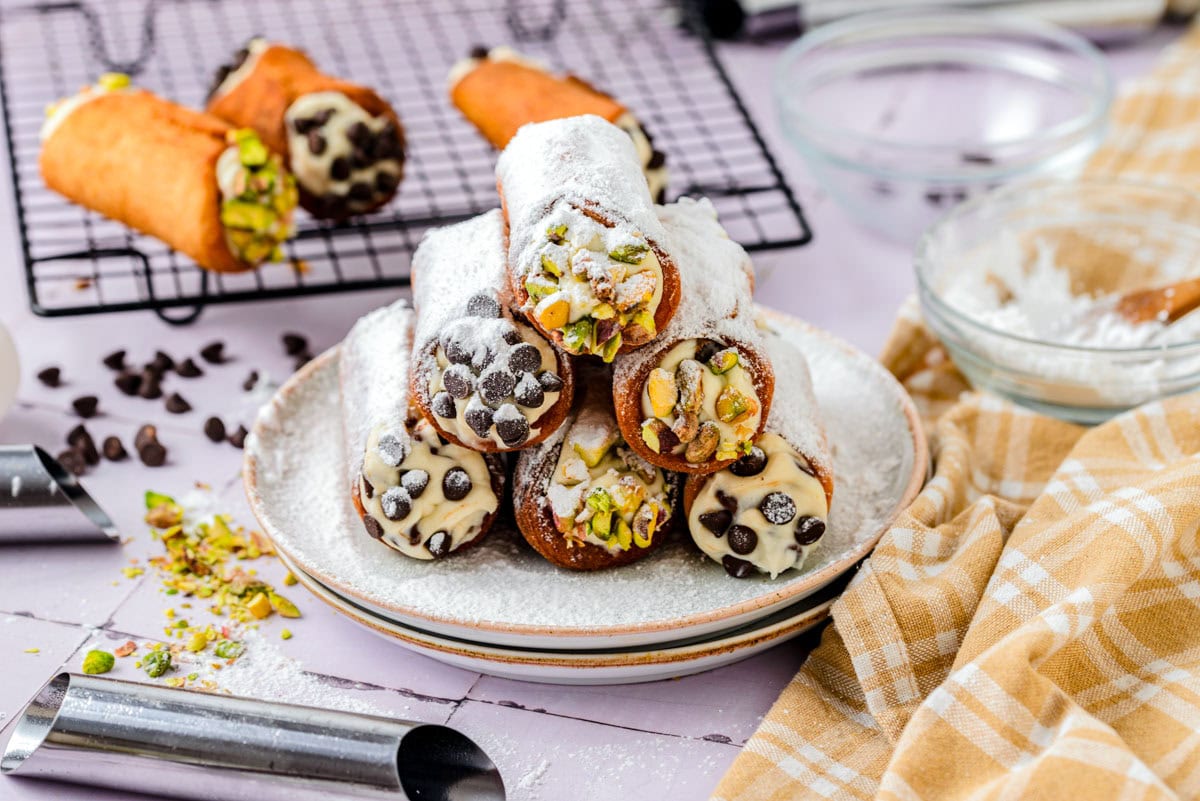
Add some more chocolate chips or pistachios to the ends of the cannoli. Then dust with powdered sugar (optional) and serve. Enjoy!
Storage Tips
Cannoli can be made in advance and stored separately. Keep the shells in an airtight container for up to 3 days and the filling in the fridge. Fill just before serving.
If you have leftover filled cannoli, store them in a sealed container in the fridge for 1-3 days. Keep in mind that the shells may get slightly soggy over time.
You can also freeze filled cannoli for up to 3 months. Remove them from the freezer and thaw them in the fridge or at room temperature for 10-15 minutes before eating (it will be like eating ice cream).
Related Recipes
Here are some other Italian recipes you may want to try next:
- Chocolate Budino (Chocolate Pudding)
- Peach Crostata
- Mango Panna Cotta
- Classic Tiramisu (coming soon!)
- Strawberry Tiramisu
Ingredients
- ¾ cup granulated sugar
- 10.5 ounces ricotta
- 1 dash vanilla extract, optional
- ⅓ cup deshelled pistachios, plus more for garnish
- ¼ cup chocolate chips, plus more for garnish
- ⅓ cup powdered sugar, or to taste for garnish
- 1 cup + 3 tablespoons all-purpose flour
- ¼ cup granulated sugar
- 1 teaspoon cocoa powder
- ½ teaspoon ground cinnamon
- 1 pinch salt
- 1 medium egg
- 2 tablespoons butter or lard, at room temperature
- 2 tablespoons marsala wine
- 1 teaspoon white vinegar
- 2 tablespoons water, for sealing the pastries before frying
- vegetable oil, for frying
Instructions
- Place the ricotta in a fine-mesh strainer set over a bowl to drain excess liquid.10.5 ounces ricotta
- Transfer the drained ricotta to a bowl. Add the granulated sugar and vanilla extract (if using). Whisk until smooth and creamy.¾ cup granulated sugar, 1 dash vanilla extract
- Chop the pistachios if using.⅓ cup deshelled pistachios
- Divide the ricotta mixture evenly between two bowls. Stir the chopped pistachios into one bowl and the chocolate chips into the other.¼ cup chocolate chips
- Transfer each filling to a piping bag or a zip-top bag. Refrigerate while you prepare the pastry shells.
- In a large bowl, whisk together the flour, granulated sugar, cocoa powder, ground cinnamon, and salt.1 cup + 3 tablespoons all-purpose flour, ¼ cup granulated sugar, 1 teaspoon cocoa powder, ½ teaspoon ground cinnamon , 1 pinch salt
- Add the egg, butter (or lard), marsala wine, and white vinegar. Mix well until a dough begins to form.1 medium egg, 2 tablespoons butter or lard, 2 tablespoons marsala wine, 1 teaspoon white vinegar
- Transfer the dough to a lightly floured surface and knead until you have a smooth, elastic ball. Cover it with plastic wrap and refrigerate it for 30 minutes to rest.
- On a lightly floured surface, roll the dough out to about 1/8 inch (0.5 cm) thick.
- Using a round cookie cutter (about 3-4 inches / 8-10 cm), cut out circles of dough.
- Wrap each circle around a cannoli mold. Wet the edges slightly, then overlap them and press down gently. Make sure the edges overlap and stick well so the shells don't open while frying.2 tablespoons water
- In a deep pot or pan, heat enough oil to fully submerge the shells to roughly 350°F (175°C).vegetable oil
- Fry the shells in batches for about 1-2 minutes, turning as needed, until they are golden brown and crisp.
- Carefully remove with tongs and transfer to a wire rack to cool before removing the molds.
- Pipe the ricotta filling into both ends of each shell until filled. Add some more chocolate chips and chopped pistachios to the ends of the cannoli.
- Dust with powdered sugar before serving, if desired.⅓ cup powdered sugar
Notes
- Traditional recipes are often made with lard, but butter works just as well.
- Ricotta is the traditional filling. For a thicker, creamier texture, you can substitute part of the ricotta with mascarpone.
- If you don’t want to use vanilla extract, you can add some orange zest instead.
- You can use dark, semi-sweet, milk, or even white chocolate chips depending on your preference.
- If you don’t have pistachios, you can use toasted, chopped almonds (delicious but not traditional).
- The ricotta should be drained very well, and the filling should sit in the fridge for at least 1 hour before piping. This helps it firm up.
- Don’t try to thicken the filling with flour or cornstarch; the filling is not cooked.
- Roll the dough thin so the shells become crispy during frying. If it’s too thick, the shells will be chewy.
- The oil should have a temperature of about 350°F (175°C). Use a thermometer if you have one. If the oil is too hot, the shells brown too quickly, and if it is too cool, they may absorb excess oil.
- Don’t fill the shells too early. Fill them just before serving to keep them crisp.
- Other than pistachios or chocolate chips, you can also garnish the ends of the cannoli with small pieces of candied fruit like candied oranges or candied cherries.
Nutrition
This nutritional information has been estimated by an online nutrition calculator. It should be seen as a rough calculation and not a replacement for professional dietary advice.