It’s (almost) the holidays, and there is no better way to enjoy Christmas time than to eat your way through it with family and friends. So here are some German Christmas recipes to get you in the holiday spirit!
And whether you’re celebrating Christmas on December 24th (as is common in Germany), on December 25th, or just want to get in the holiday spirit early, there are plenty of tasty recipes you can make.
Some German holiday recipes may remind you of sitting around the table with your Oma and Opa. Others will transport you to the sights, sounds, smells, and tastes of German Christmas markets.
I grew up in southern Germany and we still try to visit my family during the holidays at least every few years. We love eating Christmas cookies while lighting the candles on the Advent wreath and visiting the Christmas markets.
To bring you a little piece of Germany, too, here is our collection of German Christmas recipes. You may notice that we’re missing some classics, such as Quarkstollen (Christmas bread without yeast), roast goose, or Sauerbraten, but you can find those in our eBook if you’re interested.
Bring German Christmas magic to your kitchen
33 authentic German Christmas recipes, 14 of them exclusive to this eBook. These are the treats, meals, and traditions I grew up with in Germany.
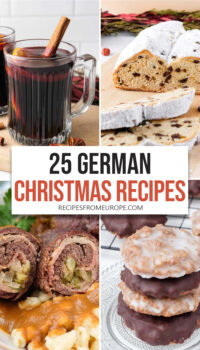
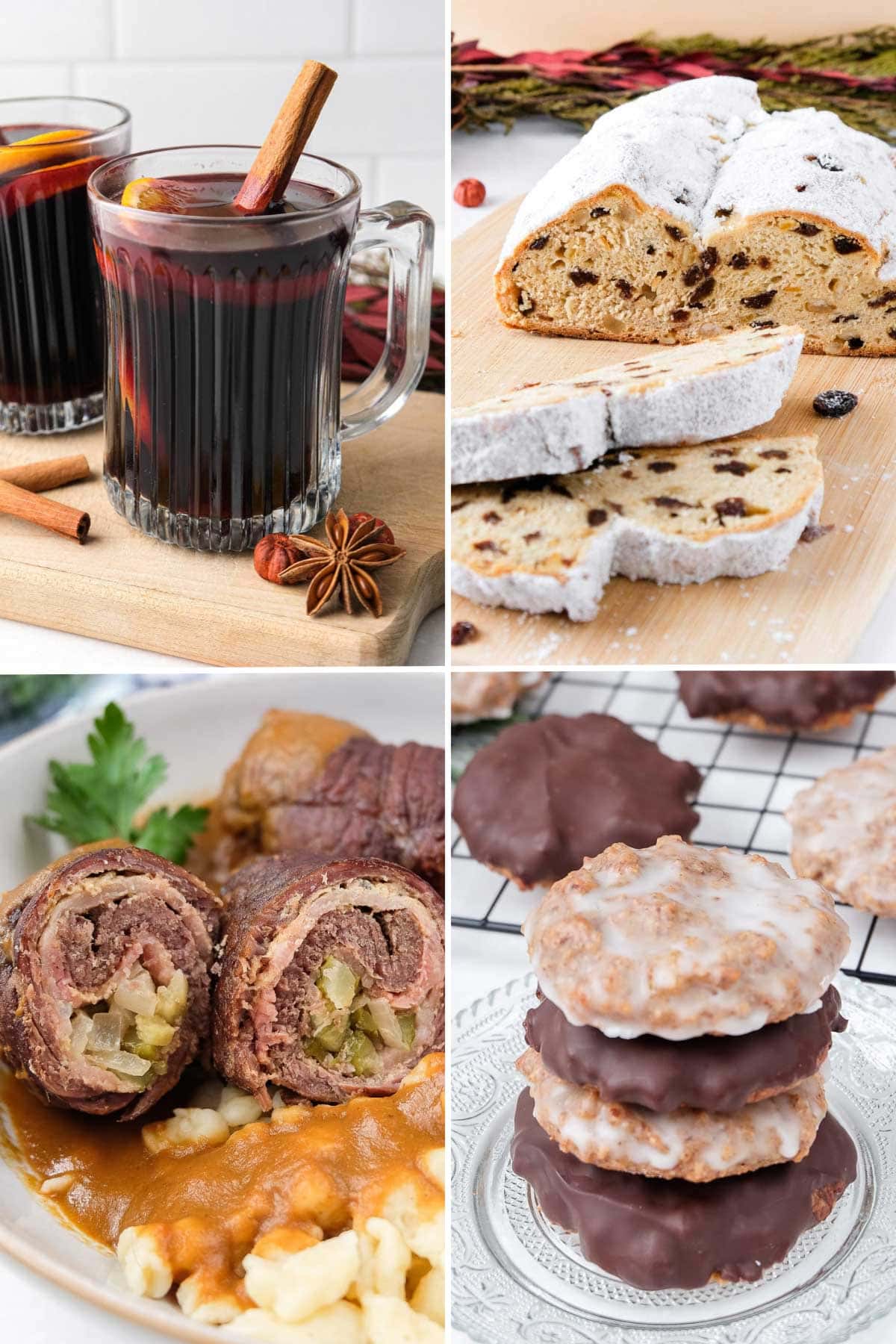
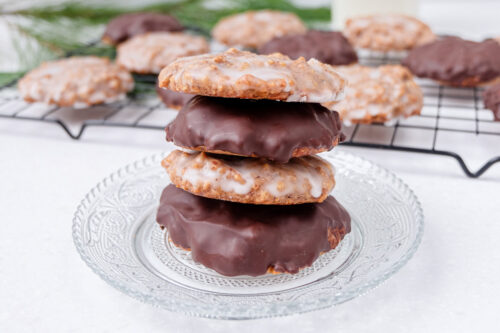
If you've been on the hunt for a classic German gingerbread cookie recipe, this one for Elisenlebkuchen might be the one! Made with lots of nuts, gingerbread spice, and candied citrus, these cookies turn out soft and delicious. You can dip the Lebkuchen in a simple icing or chocolate for sweet finish.Gingerbread in all its variations is one of Lisa's favorite holiday treats, but Elisenlebkuchen will always be extra special.
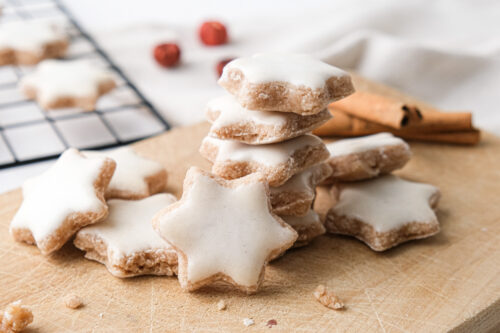
Zimtsterne, or Cinnamon Stars in English, are chewy on the inside with a little crunch to their sweet glaze. Made with ground almonds, they are naturally gluten-free and make a delicious holiday snack to add to the cookie platter.
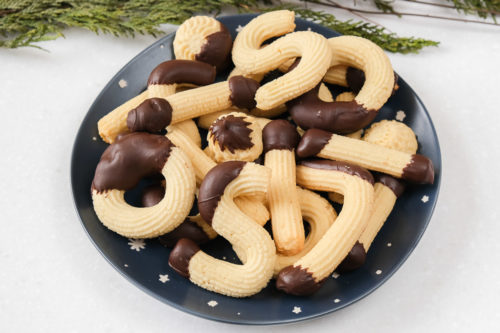
German Spritz Cookies, known as Spritzgebäck, are relatively easy to make into any shape and can be dipped in chocolate for an extra layer of deliciousness. Not only do they shine on your holiday cookie platter, but they are also a fun baking activity for kids since they can get creative with their cookie designs. In my family, we often piped our names which was always a highlight.
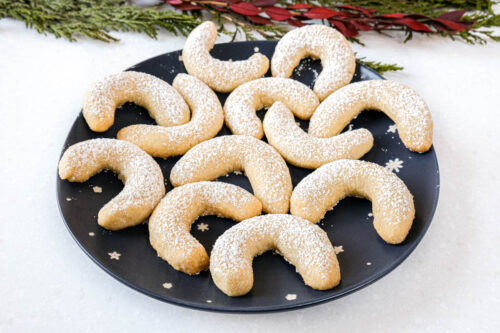
Vanilla crescent cookies, called Vanillekipferl in German, are popular holiday cookies that are originally from Austria, but also very popular in Germany, Hungary and many other countries. They are wonderfully sweet yet soft and crumbly. They are one of the classic cookies that many German families bake every year (my family included) and one of Eric's favorites.
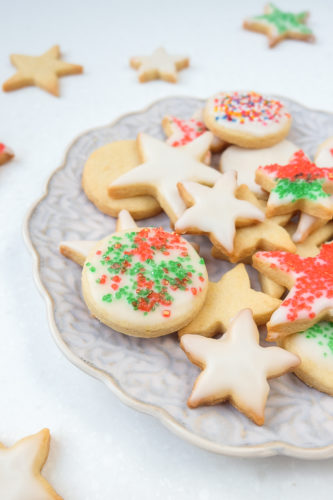
Butterplätzchen are another classic German Christmas cookie. You can use cookie cutters in different shapes and sizes to make them and then top them however you like.Whether you prefer them with a simple icing for a touch of sweetness, decorated with colorful sprinkles for a festive look, or just as they are, they are a holiday favorite (especially among kids because decorating them can be lots of fun).
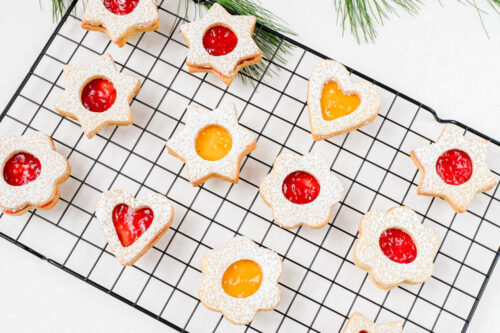
Linzer Cookies are another popular holiday cookie that is originally from Austria, but also very popular in Germany. These buttery cookies are filled with a dollop of fruit jam to make the best little cookie sandwich. Don't forget to dust them with powdered sugar! Linzer Augen, with their distinctive three dots, are a variation of Linzer cookies and are also popular during the holiday season.
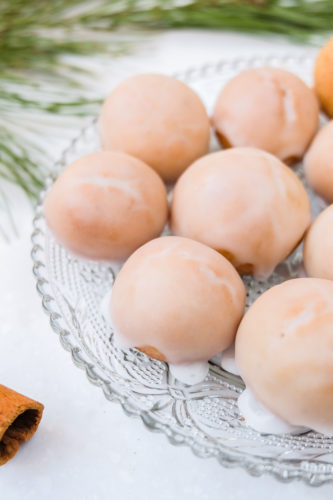
Pfeffernüsse, or German spice cookies, are those round and glazed cookies you often see on holiday cookie plates. Their name is fitting: “Pfeffer” means pepper and they are made with fragrant spices like cinnamon, nutmeg, cloves, and a little ground pepper.
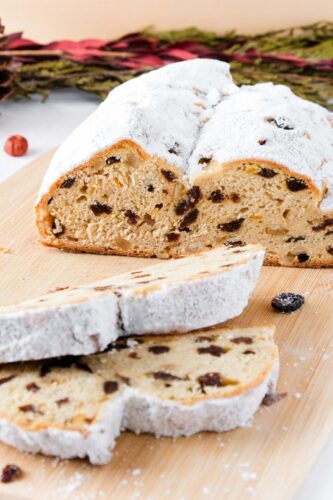
Authentic German Christmas bread, known in German as Stollen or Christstollen, is a holiday classic that takes a bit of effort, but it's definitely worth it. This yeast bread is loaded with raisins, candied citrus peel, and sometimes marzipan. The powdered sugar dusting on top gives it its classic look. Remember to make your Stollen ahead of time, because it tastes best when it has a chance to “age” for a week or two.
German candied almonds, or Gebrannte Mandeln, are a beloved Christmas treat. Sweet, coated in cinnamon, and found at Christmas Markets, they're all sugar and crunch.You'll probably be able to smell them from a mile away. For an extra touch of authenticity, serve them in a paper cone.
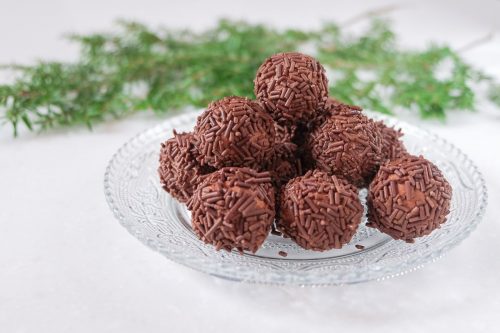
Rum Balls are a holiday favorite that we make yearly. With lots of rich chocolate flavor and a splash of rum, they're a great adult treat for the holiday cookie plate (and they make great edible Christmas gifts, too).
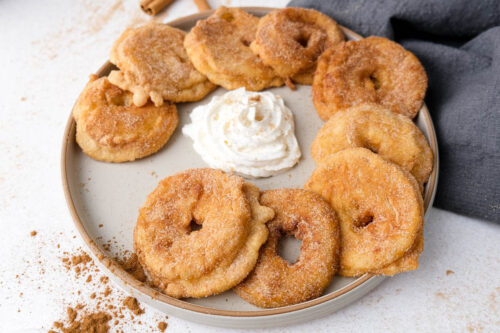
Apfelküchle, also known as German Fried Apple Rings, are a great treat during the holiday season and are often found at Christmas markets. They are made with fresh apples and a simple batter, and then dusted with cinnamon sugar after frying.
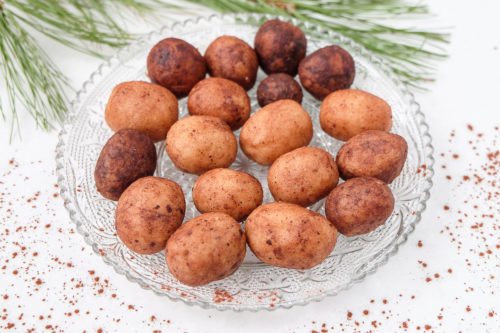
German Marzipan Potatoes, known as Marzipankartoffeln, are another treat you may come across during the holiday season (Eric loves to make them). Once you've made the marzipan, you can use a little cocoa powder to make realistic little potatoes worthy of your dessert table or to gift to family and friends. You can also just eat them yourself – we won't tell anyone!
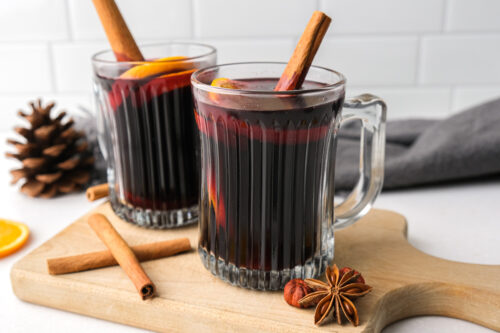
Traditional German mulled wine, known as Glühwein, is definitely one of our favorite German holiday recipe. It's so easy to bring the classic taste and smell of German Christmas Markets to you with some red wine, citrus, sugar, and a few select spices. We make a big pot every year for family gatherings and it's always a hit!
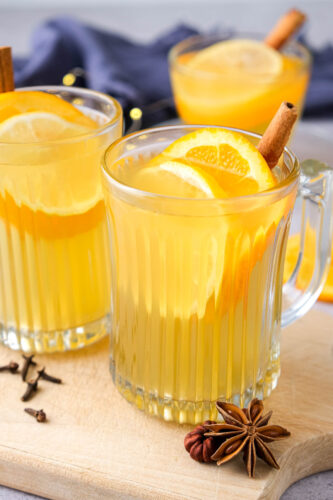
Mulled white wine is a little twist on classic Glühwein. It's made with white wine instead of red, making it a bit lighter but just as sweet and packed with holiday spices. The citrus really brings it home. We make it at least once a year at Christmas just to change things up from our classic mulled wine!
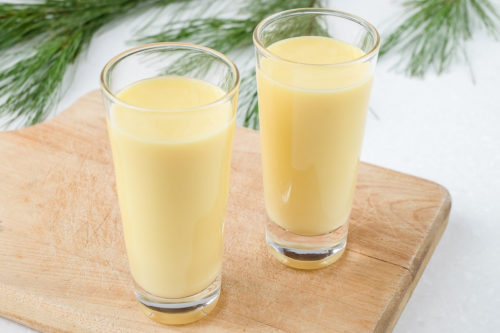
Egg Liqueur, or Eierlikör in German, is a classic holiday drink in Germany. Lisa's mom loves it, so we make it every year to have some to sip on. It's thick, creamy, and sweet – made with egg yolks, sugar, and rum. It's good on its own or can be used to make Eierpunsch (see below)! It tastes great out of small waffle cones coated in chocolate.
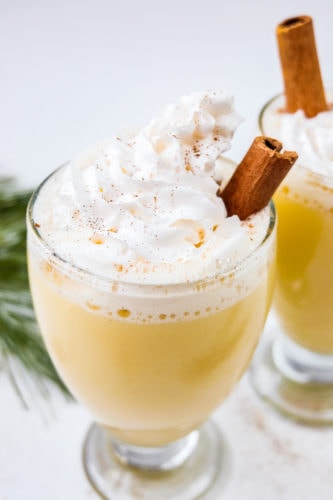
Don't want mulled wine? Give Eierpunsch, or egg punch, a try! It's similar to eggnog but it's served warm and spiked with wine. It's sweet and creamy, made with egg liqueur (mentioned above) and white wine. Don't forget to add a generous dollop of whipped cream!
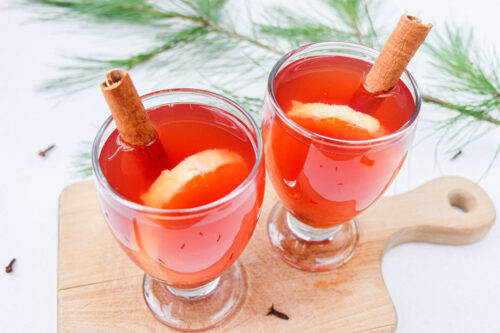
For the kids in the group (or those who don't want an alcoholic drink), Kinderpunsch (non-alcoholic punch) is the perfect alternative. It's sweet, slightly tart, and made with fruit tea, apple juice, and holiday spices like cinnamon and cloves. In Germany, you can find it at Christmas market stands and in supermarkets… but it's also really easy to make it yourself at home.
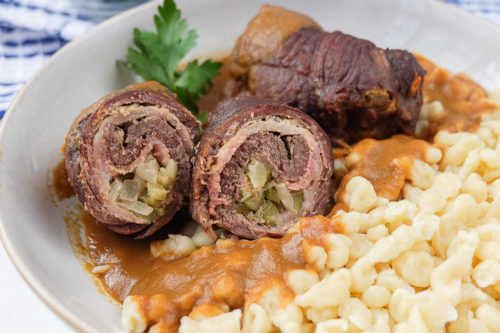
Rouladen is a savory dish that we often make around the holidays (usually on December 25th or 26th). Made with thinly sliced beef and stuffed with pickles, bacon, onions, and mustard, it's hearty and takes a bit of prep, but it's easy to make ahead. It goes well with bread dumplings, potato dumplings, spaetzle (soft egg noodles), or potatoes.
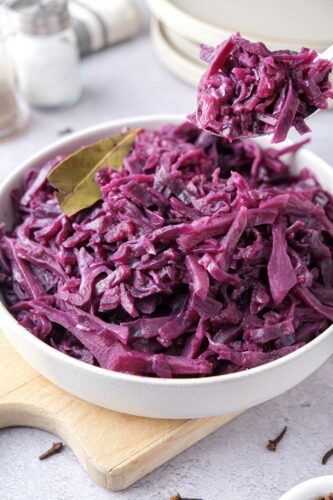
This German red cabbage, called Rotkraut, Rotkohl or Blaukraut, is made with red cabbage, apples, onions, and aromatic spices. It’s a beloved and vibrant side that's eaten year round and a also popular during the holidays. It's a favorite of both our families and goes well with meat dishes like Rouladen, Sauerbraten or pork roast.
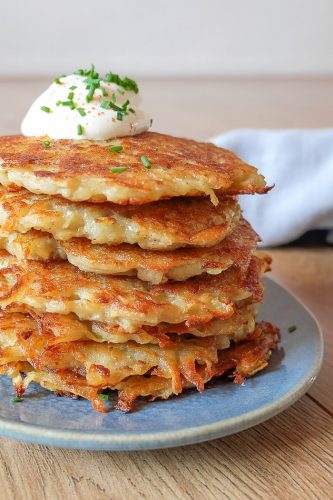
While potato pancakes are eaten year round, they are also a classic Christmas market food. They're known in German as Reibekuchen or Kartoffelpuffer and can be enjoyed savory or sweet. You can serve them with quark or a creamy garlic sauce, or with applesauce if you're looking for something sweet.
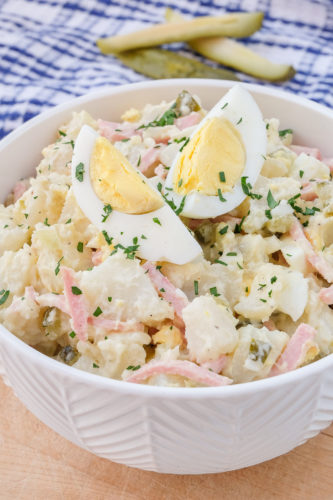
You may be a little confused to find a recipe for German potato salad on this list, but Kartoffelsalat is actually a classic Christmas Eve dinner in many German households.Served with wiener sausages, it's a low-effort dinner that many people love. Our version is creamy with potatoes, eggs, Fleischsalat (meat salad), pickles, and more, but there are lots of different versions out there.
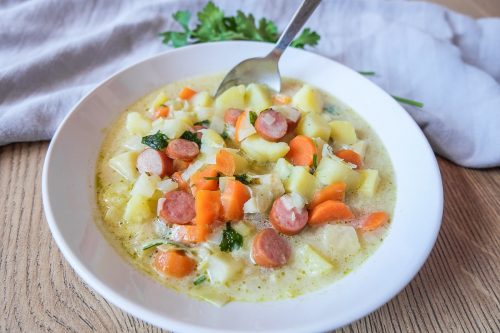
German potato soup, or Kartoffelsuppe, is a hearty and comforting dish often enjoyed during the colder months, so it's no surprise that it's also popular in December. It's made with potatoes, carrots, leeks, sausage, and more and you'll often find variations at Christmas markets, sometimes served in little bread bowls, or as part of a holiday meal.
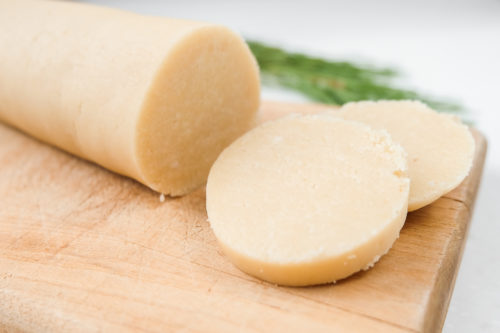
A classic marzipan recipe can go a long way around the holidays. It's easy to make with lots of ground almonds and powdered sugar. Whether you enjoy it on its own or use it in other recipes like Stollen or marzipan potatoes, it's worth making from scratch and doesn't take long at all.
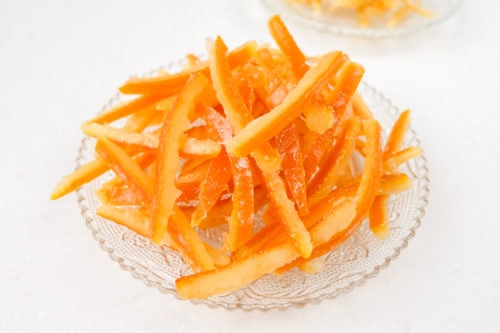
Candied orange peels are sweet, zesty, and pretty easy to make. In Germany, they are commonly used as an ingredient in holiday baking, such as for Stollen or Lebkuchen. But of course, you can also enjoy them as a snack or as a garnish for your cocktail or cake.
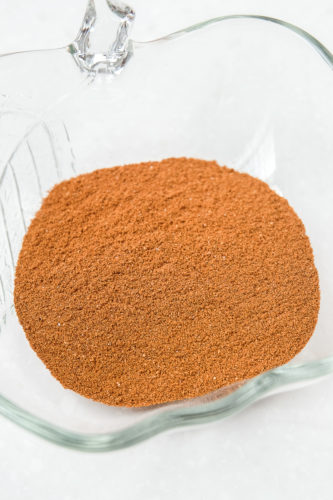
If you want to make authentic German gingerbread, you'll need a good spice mix. This gingerbread spice – Lebkuchengewürz in German – is pretty easy to make yourself. It's a fragrant blend of cloves, nutmeg, cardamom, cinnamon, and more. One whiff and you'll know Christmas is coming.
1 thought on “25 Festive German Christmas Recipes”
Thank you for the Traditional Germanic recipes – which evoke sweet memories✨ of celebrations of⛪ Christmases past.☕☕…and joyful hopes for many blessed reunions Frohe Weihnachtszeit️️️️
We're a Canadian with Hungarian roots and a German who have spent years living in different European countries and exploring many others.
Recipes From Europe is about celebrating food, family, and culture. It's about reconnecting with old family favorites, learning about a country's cuisine, and getting inspired to taste something new.
Search for a Recipe
Get a Taste of Europe
Join 3000+ readers and get European recipes and family favorites to your inbox every week.
You can unsubscribe anytime. No spam. For more details, review our Privacy Policy.



Thank you for the Traditional Germanic recipes – which evoke sweet memories✨ of celebrations of⛪ Christmases past.☕☕…and joyful hopes for many blessed reunions Frohe Weihnachtszeit️️️️